Taiwan’s Deterrence Is Quickly Collapsing - And Its Future Looks Grim
As U.S. pulls back from the world, Taiwan's strategic situation is quickly getting worse

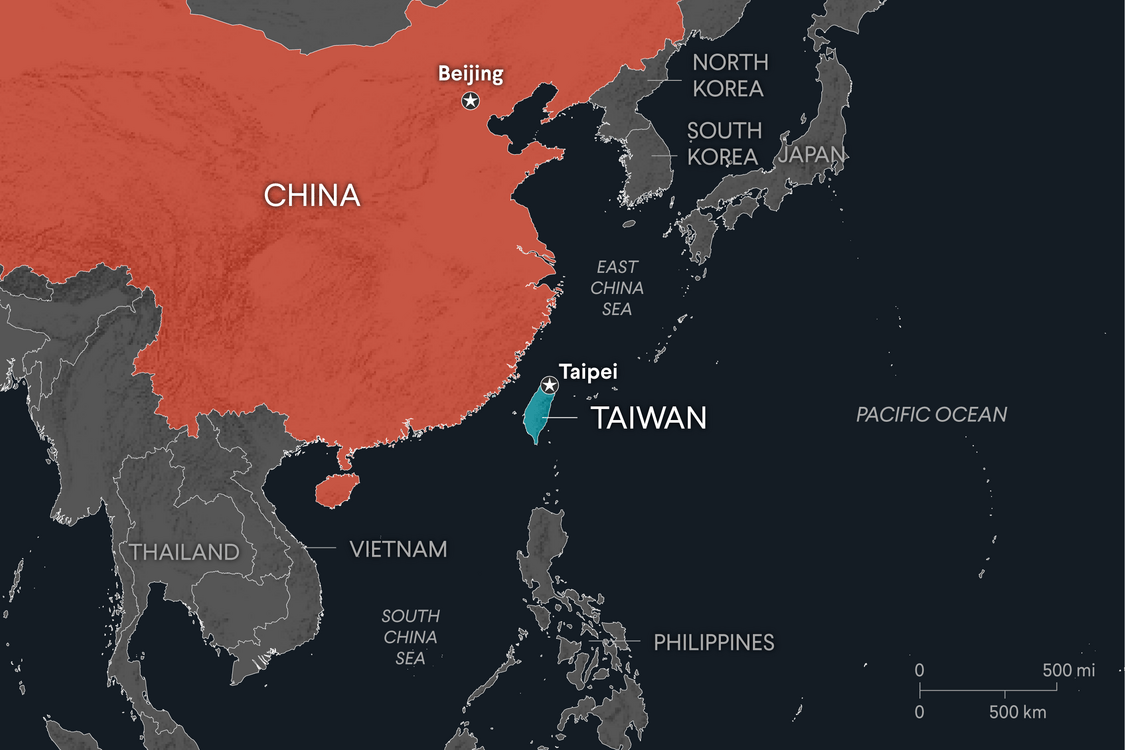
When Donald Trump and his administration first stepped in the white house, they were quite clear about what they were going to do in foreign policy: from the first moments, they quite openly spoke about how overextended the United States is and how it needs to withdraw from Europe, Middle East, Africa and other areas where they felt were wasting their resources. And about how, instead, they need to focus on the one threat that really matters: China, and especially its ambitions in the Indo-Pacific and around Taiwan. In that sense, the withdrawal from Europe and from other areas - even though many, including myself, are not exactly excited about it - should not come as a surprise. Donald Trump did tell us beforehand and him and his administration are essentially fulfilling their promise.
But what's becoming clear now is that the second part of that story - that they are doing all this to be able to fully refocus and prioritize China is (whether they actually ever meant it or not) not really happening. And instead, it looks less and less likely that Trump's administration would be actually willing to act in case of the decisive moment that both China and the US have been preparing for years - an attempt by China to take back Taiwan by force.
And that's not good news for Taiwan. Actually, that's very, very bad news - both for its future and for any hopes it has for a continuation of its sovereign existence. But let me explain - and let’s take it one step at a time.
First, why am I skeptical that Trump would help Taiwan if China decided to act?
Well, there's a number of reasons. For one, you have concrete policy steps like the new National Defense strategy, which according to Politico, should task the US military to focus on “homeland threats” and deprioritize adversaries like China and Russia:
Pentagon officials are proposing the department prioritize protecting the homeland and Western Hemisphere, a striking reversal from the military’s yearslong mandate to focus on the threat from China.
A draft of the newest National Defense Strategy, which landed on Defense Secretary Pete Hegseth’s desk last week, places domestic and regional missions above countering adversaries such as Beijing and Moscow, according to three people briefed on early versions of the report.
But more importantly, you have everything else that this administration is signaling, with both words and actions. What Donald Trump, J.D. Vance, Pete Hegseth and almost every member of the administration has been repeating again and again that the U.S. should not be fighting costly wars in far away countries they know nothing about. And that the U.S. does not have allies and values - only its own interests - and that it doesn't own anything to anyone.
Although Trump presented himself as a China hawk in his first term, this side of his seems a lot less prominent and visible in the second. And while Trump likes to look tough in foreign policy, his actual track record - from the way how it deals with Russia to how his big trade war with China actually ended - doesn't really look like he’s willing to put the money where his mouth is at the end of the day
And while no one knows what would actually happen if the push came to shove and Donald Trump had to decide whether he would go to war with China over Taiwan (most likely, neither does he), any Taiwanese politician or official would have to be extremely optimistic to - at this point - genuinely believe that the US would really come to help.
After all, if alliances and values mean nothing and everything is only about self-interests, is Taiwan really so indispensable for America - either because of its chip-making or strategic location - that it would make sense for the US to go to war with another superpower over it? I might be wrong but I have a feeling like I know what Donald Trump’s answer might be. And I feel that this would be a relatively easy decision for him to make, and it would not be one that Taiwan would be particularly happy about.
And while this is not yet really something that would be talked about too much, it’s not that surprising conclusion to arrive at if you look at everything that the current U.S. administration is doing, saying and seems to believe in. And if I arrived at this conclusion, I’m pretty sure that some smart folks in Beijing (and in Taipei) will do as well. And that will - especially as all this will become increasingly more obvious - mark a pretty fundamental shift for Taiwan’s strategic situation, its deterrence strategy up till now and its future in general.
Keep reading with a 7-day free trial
Subscribe to Station Zero to keep reading this post and get 7 days of free access to the full post archives.